Tractor Seeding Methods: A Comprehensive Guide
Planting seeds efficiently is crucial for sustainable agriculture and maximizing yields. This guide compares four primary tractor-based seeding methods, offering actionable advice for farmers of all sizes. The choice of method significantly impacts several factors (environmental impact, economic viability, and yield), and understanding these nuances is key to optimizing your farming practices. Let's explore the key differences. For more information on tractor sizing, check out this helpful guide: Tractor sizing guide.
Tilling: The Traditional Approach
Tilling involves plowing the land to create a seedbed. This familiar method is often seen as straightforward and requires less specialized equipment. However, it can lead to soil compaction (making it harder for roots to grow), increased erosion (loss of valuable topsoil), and higher fuel consumption compared to no-till methods. While simple, consider the long-term implications for soil health; reduced water retention and nutrient availability are potential consequences. This method may be suitable for smaller farms or specific soil types and crops.
Direct Drilling (No-Till): Working in Harmony with Nature
Direct drilling, or no-till farming, involves planting seeds directly into undisturbed soil. This method minimizes soil disruption, improving water retention, reducing erosion, and often fostering healthier soil structure. It is generally gentler on the environment. However, effective weed management is crucial, as the absence of tillage allows weeds to thrive. This may involve increased use of herbicides or other weed control strategies. It is often a more cost-effective strategy long-term, due to reduced fuel and labor costs.
Air Seeding: Precision at Scale
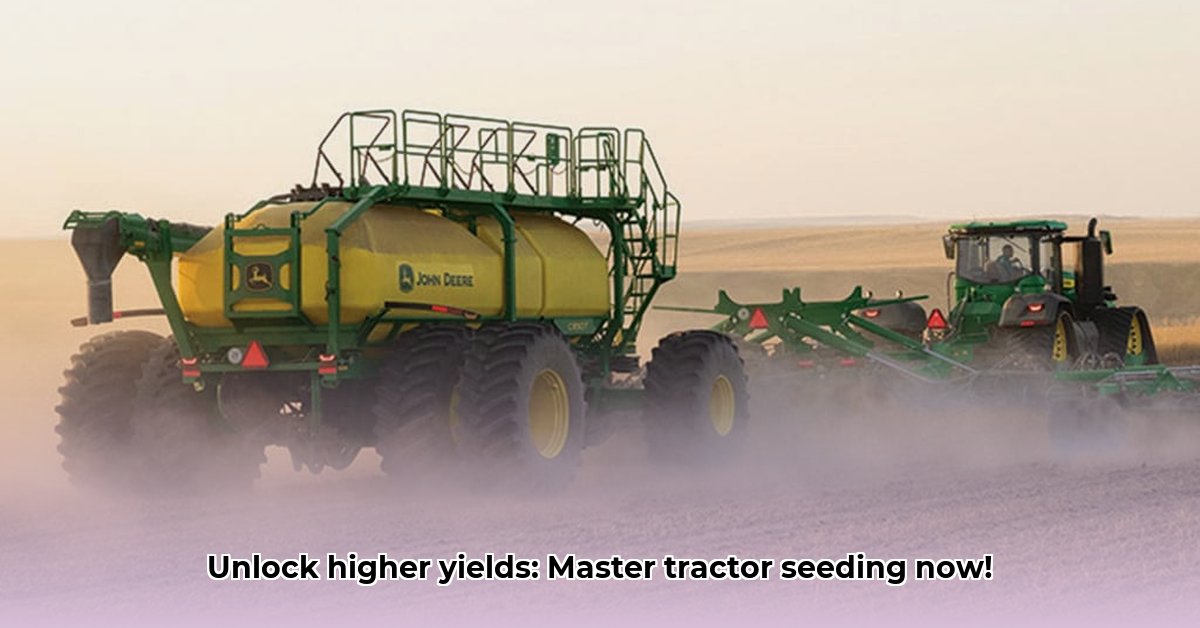
Air seeding uses specialized machinery to disperse seeds pneumatically (using air pressure) across the field. This high-efficiency method is particularly well-suited for large fields and crops requiring precise seed placement. It can achieve rapid planting with even seed distribution. However, the initial equipment investment is substantial, making it less suitable for smaller farms. Additionally, its effectiveness can vary depending on seed type and soil conditions.
Broadcast Seeding: A Simple, Cost-Effective Option
Broadcast seeding, the simplest method, involves scattering seeds over the field. It's inexpensive and requires minimal equipment. However, precision is its significant drawback, resulting in irregular seed spacing, uneven plant density, and potentially lower yields. It is generally best suited for smaller-scale operations and specific crops. Seed waste is also a greater concern compared to more targeted methods.
Comparative Analysis of Seeding Methods
The following table summarizes the key differences between the methods:
| Method | Precision | Environmental Impact | Economic Factors | Suitability |
|---|---|---|---|---|
| Tilling | Low | Moderate to High | Low initial, high operating costs | Small to medium farms, specific soil types |
| Direct Drilling | Moderate to High | Low | Moderate initial & operating costs | Most farm sizes, diverse soil conditions |
| Air Seeding | High | Low | High initial, moderate operating costs | Large farms, specific crops |
| Broadcast Seeding | Low | Low to Moderate | Very low initial & operating costs | Small farms, specific crops |
Technology Integration: Enhancing Precision and Sustainability
Precision agriculture technologies, such as GPS guidance and variable rate technology, significantly enhance the efficiency and sustainability of all seeding methods. GPS ensures accurate seed placement, while variable rate technology adjusts seeding density based on soil conditions, optimizing yields and minimizing resource waste. These technologies represent a worthwhile investment, particularly for larger operations.
Actionable Recommendations: Tailored Advice for Stakeholders
The optimal seeding method depends on individual circumstances.
Small-Scale Farmers: Direct drilling or broadcast seeding often represent efficient and affordable starting points. Focus on soil health improvement (e.g., cover crops) and explore shared-equipment options to reduce initial costs.
Large-Scale Farmers: Air seeding or advanced drilling units, combined with GPS guidance and variable rate technology, are likely to deliver the highest returns and efficiency. Data analytics for precise management is a significant asset.
Equipment Manufacturers: Develop user-friendly, sustainable, and adaptable equipment to meet the evolving needs of farmers.
Government Agencies: Support sustainable seeding techniques through subsidies, training programs, and research funding.
Conclusion: Choosing the Right Path to Higher Yields
Selecting the right tractor-based seeding method requires careful consideration of your specific needs and resources. This guide provides the foundation for making an informed decision that optimizes both yield and environmental sustainability. Remember, the best method is the one that best fits your farm's unique circumstances.
Resources
[1]: https://www.delmade.com.au/news/2024/12/25/comparing-drills/ (Accessed: 2025-04-04)